
Wisdom tooth pain can appear suddenly and make everyday activities like eating, talking, or even sleeping uncomfortable. These third molars, which typically emerge in your late teens or early twenties, don’t always have enough space to grow in properly. When problems arise, they can lead to pain, swelling, and other oral health concerns. Understanding the causes of wisdom tooth pain can help you seek timely care and find relief.
Impaction: The Most Common Cause
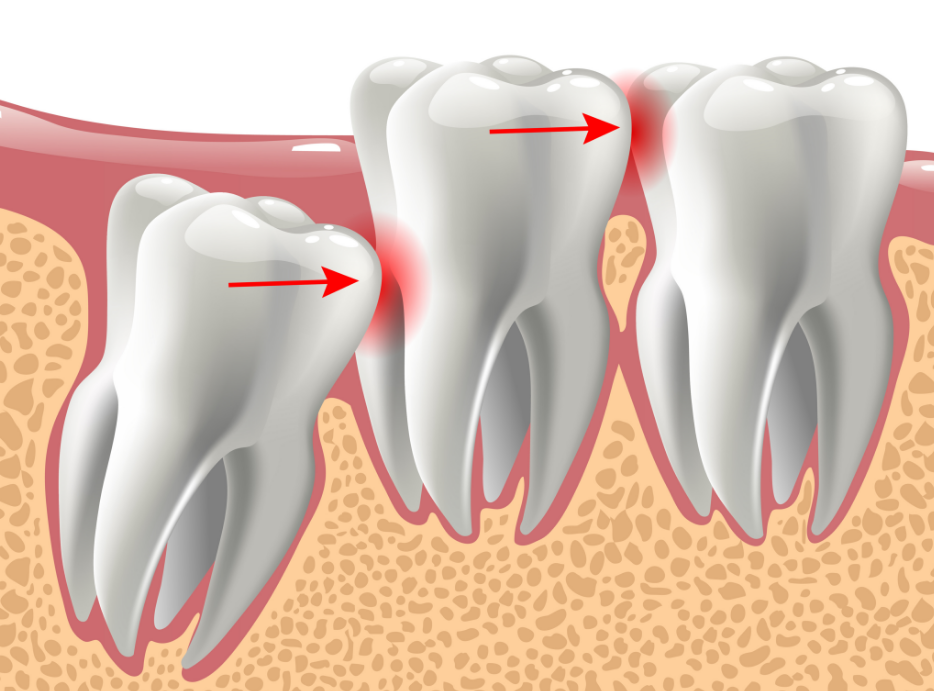
One of the leading causes of wisdom tooth pain is impaction. This occurs when there isn’t enough room in the jaw for the tooth to fully emerge. Impacted wisdom teeth may remain trapped beneath the gums or grow at an angle, pressing against neighboring teeth.
This pressure can cause soreness in the back of the mouth, jaw stiffness, headaches, and swelling around the gums. In some cases, impacted teeth create pockets where bacteria accumulate, increasing the risk of infection and further discomfort.
Infection and Gum Inflammation
When a wisdom tooth partially erupts, it can leave a flap of gum tissue covering part of the tooth. This area easily traps food particles and bacteria, leading to a painful condition called pericoronitis.
Symptoms may include red, swollen gums, a bad taste in the mouth, difficulty opening your jaw, and persistent pain near the affected tooth. Without treatment, the infection can worsen and spread, making early intervention important.
Tooth Decay and Cavities
Wisdom teeth are located at the very back of the mouth, making them difficult to clean properly. As a result, they are more susceptible to plaque buildup and cavities. Decay in a wisdom tooth can cause sensitivity, throbbing pain, and discomfort when biting down.
If the decay spreads to nearby teeth, it can compromise the health of your entire smile. Regular dental checkups and good oral hygiene are essential to detect and address cavities early.
Crowding and Shifting Teeth
As wisdom teeth attempt to emerge, they may push against neighboring molars. This pressure can cause crowding, shifting teeth, and bite misalignment. Even if you’ve had orthodontic treatment in the past, erupting wisdom teeth can disrupt your results.
Crowding often leads to soreness in the jaw and tenderness in surrounding teeth. Addressing the issue early can help prevent long-term alignment problems.
Remedies and When to Seek Care
Mild wisdom tooth pain may be temporarily relieved with warm saltwater rinses, over-the-counter pain relievers, and gentle cleaning around the area. Applying a cold compress to the outside of the jaw can also help reduce swelling.
However, persistent pain, swelling, fever, or difficulty opening your mouth are signs that professional evaluation is necessary. A dental exam and imaging can determine whether your wisdom teeth should be monitored, treated, or removed to prevent further complications.
Taking action early can help you avoid more serious discomfort and protect your overall oral health.
About the Practice
Greater Boston Oral Surgery provides expert care for wisdom teeth extractions and other oral surgery needs in a comfortable, patient-focused setting. Dr. Keyser uses advanced imaging and modern surgical techniques to ensure safe, efficient treatment and smooth recovery. We are dedicated to helping patients relieve pain, prevent complications, and maintain long-term oral health.
Call us at (781) 628-2268 or request an appointment online.