
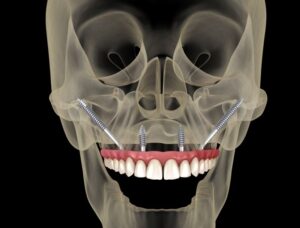
If you have lost several teeth in your upper dental arch, you might be able to get traditional dental implants to rebuild your smile. They are a strong and sturdy solution! But what if your upper jaw cannot support regular implants? Your oral surgeon might suggest zygomatic dental implants as an alternative. These are longer than their traditional counterparts and are anchored in the zygoma (cheekbone), a feature that makes them both stable and reliable. But how long do they last? How does their performance measure up to traditional implants? This blog post provides some helpful information.
The Typical Lifespan of Zygomatic Implants
Research shows that zygomatic dental implants have an impressive 96% success rate after 12 years, putting them on par with traditional dental implants. Both types can potentially last your entire lifetime, provided you do not experience any major complications. The restorations (dentures) attached to the implants are also built to last, often enduring for many years before replacement becomes necessary.
Factors That Might Lead to Implant Failure
Although failure of zygomatic dental implants is uncommon, it does happen for some patients. Understanding the risks can help you minimize the likelihood of complications. Common causes of failure include:
- Sinusitis: In certain cases, the implant’s pathway crosses the maxillary sinus, which may lead to chronic swelling and inflammation. Most of the time, this issue can be resolved without removing the implant, but occasionally, removal becomes necessary.
- Improper Placement: Incorrect positioning of the implant can compromise its stability and long-term success.
- Infections: Bacterial infections can develop around the implant site, threatening the bond between bone and implant.
- Poor Oral Hygiene: Neglecting regular brushing and cleaning can increase the risk of infection and other complications.
- Failure of Bone Integration: Sometimes, the bone does not bond with the implant as hoped, which can cause the implant to loosen or fail.
Steps You Can Take for Long-Term Success
Here are some practical steps you can take to help your zygomatic implants last as long as possible:
- Choose an oral surgeon with strong credentials and experience in placing zygomatic implants. Do not hesitate to ask about their background and training.
- Practice excellent oral hygiene every day. Brush thoroughly, clean between teeth, and follow any additional care instructions your care team provides.
- Manage your overall health by eating a balanced diet, staying active, and avoiding tobacco products. Keep chronic health conditions under control with regular medical care.
- Schedule dental checkups twice a year. Your general dentist can monitor your implants and recommend prompt action if any issues arise.
Zygomatic dental implants are a highly successful, long-term solution for individuals who have lost teeth in the upper jaw. With the right care and attention, you can maximize their lifespan and enjoy a stable, comfortable smile for many years to come.
Meet the Practice
Dr. Benjamin Keyser is a board-certified oral and maxillofacial surgeon and a Diplomate of the American Board of Oral and Maxillofacial Surgery. He holds both a dental and medical license in our state. He has extensive experience and skill in a variety of implant procedures, including the placement of zygomatic dental implants. To learn more about him or to request a consultation with our team, contact our Medford office at 781-628-2268.